Repairs fix the damage. We help you recover thousands in lost value.
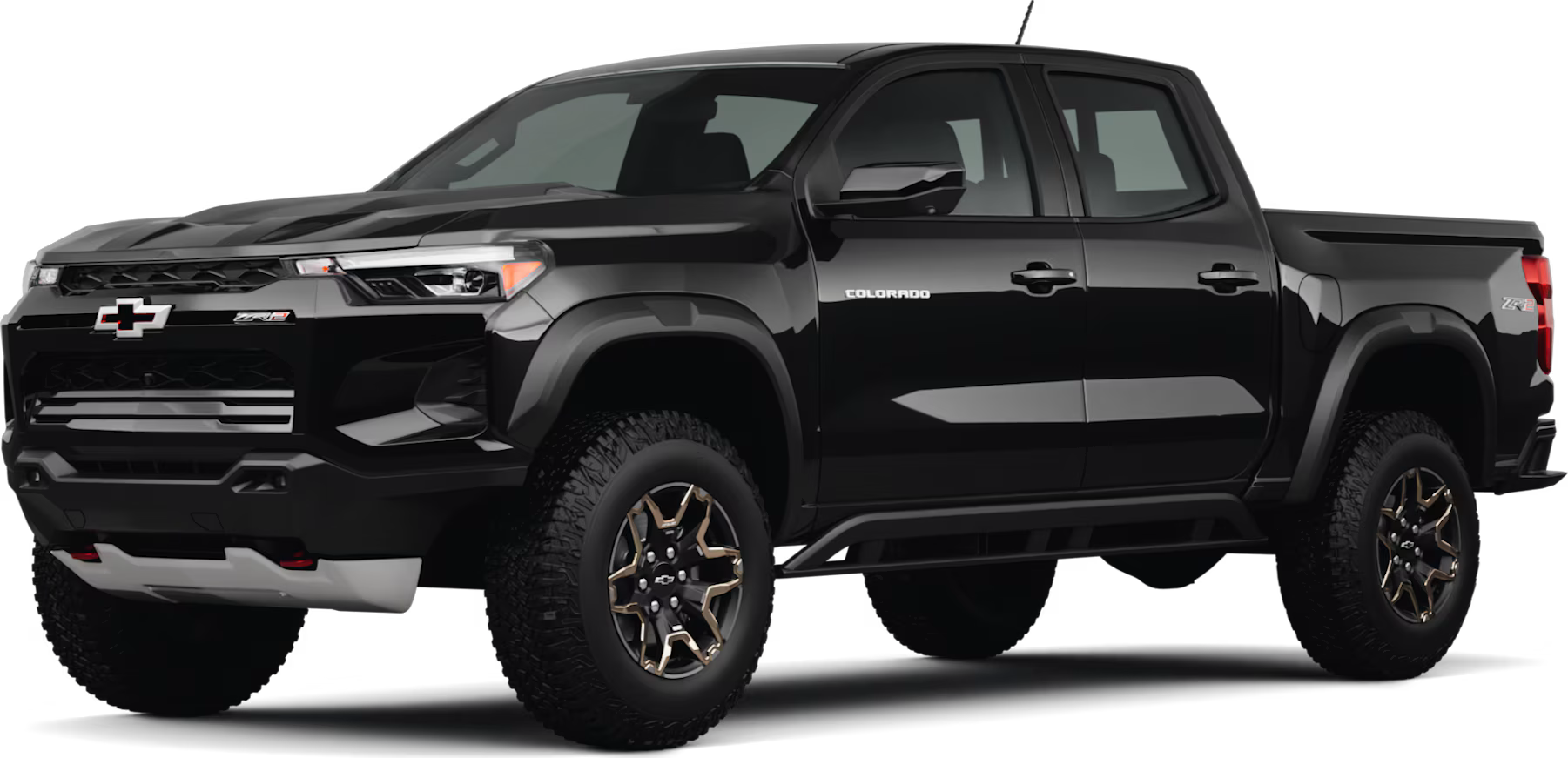
Even with perfect repairs, an accident history slashes your car's permanently—this is called diminished value. Insurance companies rarely volunteer to pay this difference, but our AI helps you claim the thousands you're owed in minutes.
Check My Lost ValueEven with perfect repairs, an accident history slashes your car's value permanently. Insurance companies rarely volunteer to pay this difference, but our AI helps you claim the thousands you're owed in minutes.
Accident History Devalues Your Car Forever
The Permanent Record
Accidents are permanently flagged on CarFax, alerting future buyers.
The Dealer Discount
Dealerships slash trade-in offers for vehicles with "dirty" accident histories.
Buyer Leverage
Future private buyers will use the accident history to negotiate a lower price.
It's Your Legal Right
In many states, the at-fault insurance company is legally required to pay you this value difference.
Get a data-backed estimate of how much you may be owed.
Get My Free Evaluation In MinutesThe PayoutJet Process
Four Steps to Recovering Your Money
Personalized Intake
Enter your accident details in minutes. Our smart form adapts to gather the details most typically relevant in your state.
AI Market Analysis
Our engine analyzes comps from before and after your accident to calculate your vehicle's estimated loss in value. We also consider many other market factors.
Generate Your Demand Package
Instantly create a data-backed demand letter. You can review, edit, and download the document so it is ready for you to send to the insurer.
Submit With Confidence
Our complete package is designed to minimize missing-info rejections and lowball offers, giving you the documentation you need to claim your value.
How Our Technology Works
How PayoutJet Maximizes Your Recovery
Comprehensive Valuation
We analyze your police report, repair documentation, and local sales data to help document how much value your specific vehicle has lost.
Advanced Market Analysis
We factor in supply chain shortages, regional demand, and economic trends to identify value factors that standard insurance formulas often miss.
Return on Investment Guaranteed
Subject to the terms in our Money Back Promise, we'll fully refund your fee if you don't receive a recovery offer.
State-Tailored Reporting
Your editable report is built on the specific insurer requirements for your state.
Choose the Path that Fits
How PayoutJet Compares to Other Options
DIY Approach
$0 Upfront
- Insurers often ignore self-made claims
- High risk of "lack of evidence" rejection
- Hours of frustration for a tiny result
Insurer offers $300
Without professional evidence, you receive a lowball offer.
PayoutJet
- Professional, data-backed demand package that you can edit
- Instant delivery. No waiting for appointments
- Money-back guarantee if your claim is denied
You keep $2901
It's the best deal, by far, backed by our money back guarantee.
Traditional Attorney
30–50% of Recovery
- Strong legal representation
- Much higher fees and painfully long timelines
- Many firms won't take cases without injuries
You only receive $1,600
After fees and case expenses.
Best when injuries or complex litigation are involved.
Answers You Can Trust
Frequently Asked Questions
Diminished value is the market value your car loses simply because it has an accident history, even if it has been perfectly repaired.
Think of it this way: If you were shopping for a car and saw two identical trucks, one with a clean title and another with a "Severe Accident" on its CarFax, which one would you buy?
You would likely only buy the wrecked one if it was significantly cheaper. That discount is the Diminished Value, and in many states, the at-fault party's insurance is legally responsible for paying you that difference.
How the math works:
- Before the accident: Your car has a clean history and sells for full market price.
- After perfect repairs: The car looks new, but the "accident history" flag makes it worth less to dealers and buyers.
- The Result: The gap between the two prices is the financial loss you are entitled to claim.
Example: A truck was worth $28,000 before the crash. After the accident, market data shows similar trucks with that specific damage history are selling for only $22,000. The diminished value is the $6,000 difference.
Because buyers aren't just paying for how the car looks; they are paying for peace of mind.
Even if your repairs are flawless, your car now carries a permanent "risk flag" on its history report. In the eyes of a dealership or future buyer, a car with an accident history is "damaged goods." They worry about:
- Hidden Damage: Structural weaknesses that weren't caught during repair.
- Long-Term Quality: Paint that fades differently or parts that rust faster.
- "Gremlins": Rattles, electrical issues, or alignment problems that pop up months later.
To convince someone to buy your car instead of a crash-free one, you (or the dealer) would have to lower the price significantly. That price cut is your Diminished Value.
Yes, but for most drivers, only one type matters: Inherent Diminished Value.
While there are technically three types, most claims focus on the permanent loss of value that remains even after your car is fixed.
- Inherent Diminished Value
This is the most common type. It assumes your car was repaired perfectly but is now worth less simply because it has an accident history. This is the "stigma damage" that PayoutJet helps you recover. - Repair-Related Diminished Value
This happens when the body shop does a poor job (mismatched paint, panel gaps, etc.). If you have this issue, the body shop may be responsible for re-doing the work to make it right (cases vary, we are not a law firm). - Immediate Diminished Value
This is the loss in value immediately after the crash, before any repairs are made. This generally only applies if you sell the car while it is still wrecked.
No. You rarely have to accept their generic formula.
Insurers often try to use a "one-size-fits-all" calculation (known as the "17c formula") to artificially cap your payout. In most states, this is not the law. It is just an internal tool insurers use to save money and limit their payouts.
Real diminished value is based on market evidence, not a generic multiplier. To override their lowball number, our technology helps provide evidence for your claim based on the factors that actually matter:
- Local Market Realities (The #1 Factor)
We analyze how much similar cars, both clean and wrecked, are actually selling for in your specific area. Real sales data overrides generic percentages. - Damage Severity
Not all crashes are equal. Structural frame damage or airbag deployment generally creates a much larger drop in value than cosmetic repairs. Simple formulas usually ignore this critical nuance. - Your Vehicle's Pedigree
The "better" your car was before the crash, the more value it has to lose. We factor in your specific trim, options, and low mileage to help maximize the valuation.
The Bottom Line:
The insurer's formula is designed to pay you the minimum. Our report is designed to document the maximum based on real-world market data.
If your vehicle has damage and is relatively modern, you likely have a claim worth investigating.
While every case is different, the size of your potential payout usually depends on three main factors. The stronger you are in these areas, the higher your claim typically is:
- Fault
In most states, you claim this against the at-fault driver's insurance. (However, if you live in Georgia, Kansas, or Washington, you may be eligible to claim against your own policy even if you were at fault). - Vehicle Age & Mileage
There is no strict cutoff, but newer cars generally lose the most value.
Strongest Claims: Vehicles 1–7 years old with under 100k miles.
Valid Claims: Older luxury/enthusiast vehicles or low-mileage daily drivers often still qualify. - Prior History
Cars with a "Clean Title" and no prior accidents usually see the highest valuations because they had the most value to lose. If you had a minor fender bender in the past, you can typically still file a claim, though the final amount may be adjusted.
Not sure? Our free intake tool checks your specific vehicle in about 2 minutes to provide a preliminary estimate of your lost value, helping you decide if moving forward may make financial sense.
Generally, the payout belongs to the vehicle's owner (the leasing company). Because a lease is technically a long-term rental, the leasing company holds the title. They are the ones losing money on the car's future resale value, so they are typically the ones entitled to the insurance check.
The Major Exception: If you plan to buy out your lease, the loss becomes yours. Because your buyout price was locked in before the crash, you would be paying "full price" for a damaged car. Once you buy the title, you generally have the right to claim the lost value. (Note: Watch the calendar. If you wait years to buy the lease, the legal deadline to file a claim might expire.)
Loss of Use is cash compensation for the days you were forced to live without your car.
Think of it as the daily "salary" your car earns just by being available to you. If an accident puts your car out of work, in many states, the at-fault insurance company is responsible for compensating you for every day it sits in the shop.
The "Secret" Benefit: In many states, you can claim this money even if you never rented a car. If you borrowed a friend's car or took an Uber, you are still typically entitled to the daily market rate of your own vehicle's availability.
How it is calculated: We identify the Daily Rental Rate of a comparable vehicle (not a cheap economy car) and multiply it by the time you were without yours.
- The Rate: Your SUV would rent for $60/day.
- The Time: It was in the shop (or unsafe to drive) for 18 days.
- The Claim: Your potential compensation is $1,080 ($60 × 18).
Already had a rental? If the insurance company put you in a cheap sedan ($30/day) but you drive a large truck ($80/day), you are often entitled to claim the difference in value for every single day.
Note: The numbers above are for illustration only. Payouts vary by your case specifics.
Yes. The process is almost identical, but the name on the check will be different.
If your vehicle is owned by an LLC, corporation, or family trust, you can absolutely file a diminished value claim. The only difference is that the claim represents a loss to the business, so the paperwork must match the legal owner.
Pro Tip: This is very common for work trucks and fleet vehicles. Because these vehicles are depreciating business assets, recovering their lost market value is often a smart financial move for the company's bottom line.
PayoutJet is a software provider, not a law firm. We do not give legal advice, and we cannot represent you in court. Instead, we provide the data, market evidence, and professional documentation you need to substantiate your own claim directly with the insurance company.
Why use PayoutJet? Many attorneys work on contingency (taking 33%–50% of the settlement) and often decline cases that are limited strictly to property damage. PayoutJet charges a flat fee to equip you with professional-grade valuation reports, allowing you to handle the claim yourself and keep 100% of the final settlement.
Important Note: Some matters are best handled by a licensed attorney.
We turn your accident documents into a demand package in four simple steps:
- Free Eligibility Check (2 Minutes)
Answer a few quick questions about your vehicle and the accident. Our system screens your inputs against standard eligibility factors to provide a preliminary estimate of your potential claim, completely for free. - Market Data Analysis
If you proceed, you upload your repair estimate. Our technology analyzes your specific damage using local sales comps and proprietary market factors to calculate an estimated range of lost value. - Get Your Professional Report
We generate a comprehensive Demand Package formatted for your state’s common standards. This includes your valuation report, comparable vehicle examples, and a professional demand letter that is fully editable and ready for your review. - You Submit & Negotiate
You simply forward the edited package to your insurance adjuster and hopefully receive your payout.
Probably not! In many states, the legal time limit (Statute of Limitations) for property damage is surprisingly long—typically between 2 and 6 years.
Even if you have already repaired your car and the insurance file is "closed," you can typically still file a separate claim for Diminished Value, provided you haven't signed a final "Release of Liability" waiver.
Don't Leave Money on the Table
Ready to Recover What You're Owed?
Stop guessing and start claiming. Get a professional diminished value report powered by advanced local market data, customized for your specific vehicle.